
How To Camp In a Hotel Room: A Germaphobe’s Packing List
For everyone who has “issues.”
We all know the highlight reels of nomad life and full-time travel: glorious, splashy scenes of lives lived out loud.
The images rarely include sordid or stomach-turning aspects of life on the road, let alone our internal mind-based and visceral responses. I’ll spare you the visuals that have just leapt into my head.
Nudged and inspired by Charlie Brown’s article on struggles with bed issues, I’m offering my own experiences here and strategies to cope.
This problem comes in two intertwined flavors when you travel.
- One is the dreadful scenario in your hotel room, airbnb, or housesit: where you can physically see something is wrong: a visually dirty shower, stained teacups, or a persistent odor…you get the idea.
- The second scenario is based on the above experiences but is amplified by various neurodivergent and mental health challenges: sensory challenges, anxiety, OCD, and so on. I’m autistic, so my challenges are sensory and also overlap in some cases with OCD travel anxiety (particularly if I’m on the edge of burnout or if the place is overwhelmingly…ick).
I’m neither a mental health professional nor can I speak to particular triggers. However, I have found some ways to cope that allow me to continue this nomadic lifestyle that I otherwise adore.
Camping in a Hotel Room
You’ve heard of glamping. It’s home comforts or luxuries from a hotel experience brought into the world of camping.
What about the other way around? How can you bring simplicity, portability, and, strangely enough, home comforts to a hotel or rental experience?
Bring your own germaphobe’s packing kit!
Over the past four years, my hotel, airbnb, and housesitting camping kit has evolved (hostels are another kettle of fish). Entering perimenopause as an autistic person has only increased my need for a “bring your own bedding” kit. OCD travel issues have reared their ugly head, making autistic nomad life more challenging.
On the upside of all this, I never have to contend with uncomfortable bedding, have the feeling of “home” with me at all times, and avoid massive bedding washing projects when we’re housesitting.
Note: Some of the links below are affiliate links, meaning that I get a small commission if you buy through the link — at no cost to you. Thank you for supporting my writing!
How to Build Your Own Hotel Camping Kit

1. Bring Your Own Bedding
I’ve developed a strong ick factor over the years, plus I have trouble sleeping. Even if the room is sparkling clean, the pillow might be rock hard, or the blankets made of that dreadful plastic that’s unbearable. Or maybe something is wrong with the heating/cooling system, and you can’t open the window.
You get the picture.
Here are the bedding supplies on a germaphobe’s packing list:
Silk sleep sack
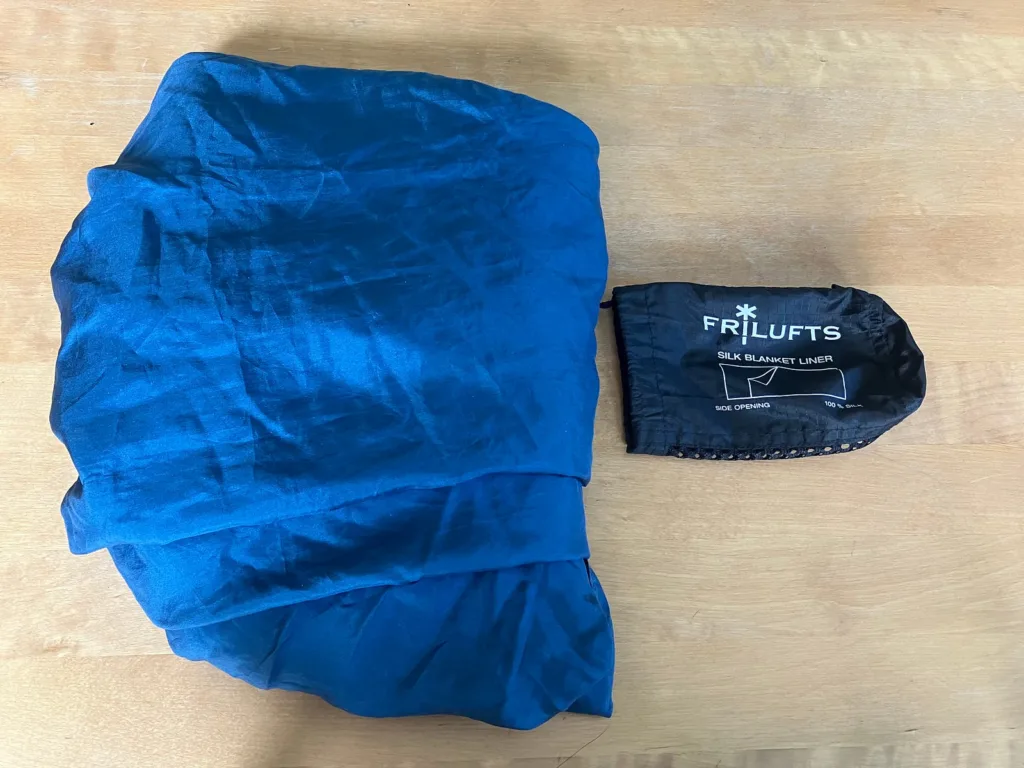
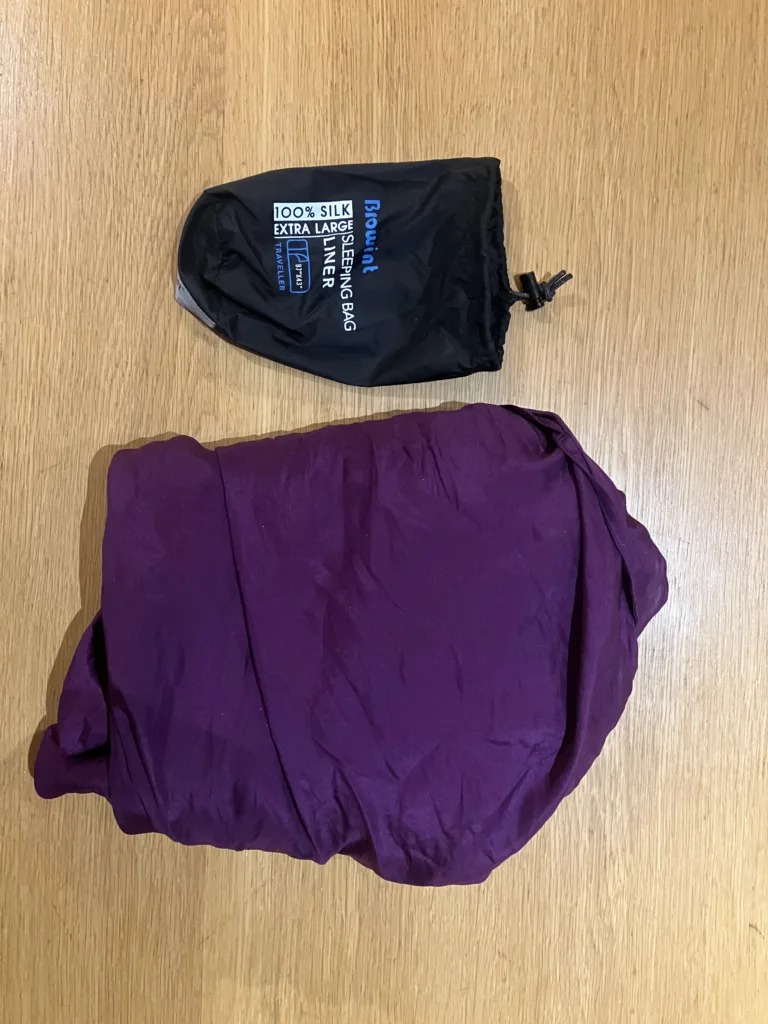
This is a game-changer. And I’m not talking about those terrible sleepsacks you had to use many years ago in hostels.
No more questionable sheets because you have your own. It’s silky, lightweight, breathable, and doesn’t slide off the bed because it’s shaped like a sleeping bag.
The only downside is that if you have to get out of it at night, it can be hard to find the opening to slide in when you get back into it. But you learn how to do so quickly.
So why is silk important?
· Breathable
· Extremely lightweight
· Regulates temperature well
· Protection from bedbug bites (we’ve fortunately never had this problem!)
I’ve looked into many other options such as cotton, polyester, or bamboo. While they’re all cheaper than silk, none fit the above four pros of silk, so I find the investment worth it.
I bought the extra large Browint sleep sack.
Considerations when buying:
· Width: Even though I’m small, I switched from the “single” sheet to the one for two people. It’s much roomier and easier to get in and out.
· 100% (mulberry) silk: Make sure it’s not a blend. Seriously, your future self will thank you for this.
Silk, satin, or lightweight sleep sack as bottom/fitted sheet
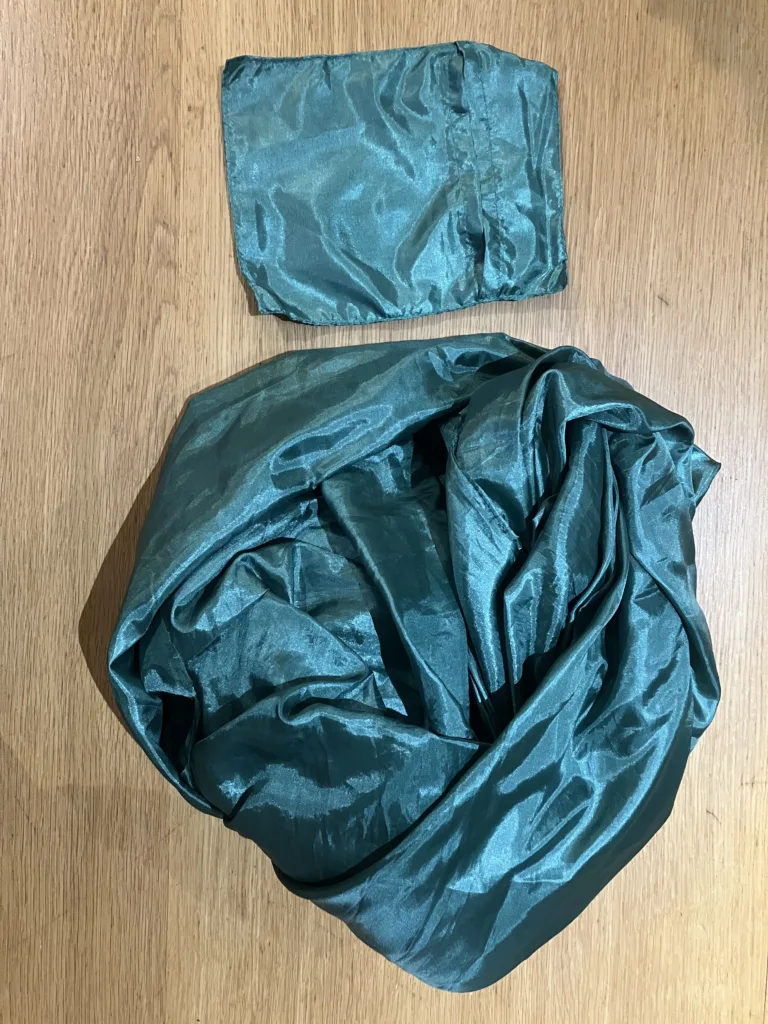
I love my silk sleep sack. Despite upgrading to a larger version supposedly made for two people, the sack itself won’t stay stationary on the bed. Plus, unless you keep your arms inside the sack all night, they will be resting on the regular bedsheet. If your sleep sack doesn’t have a pillowbox to keep your pillow inside of it, then your pillow will also be on the lower bedsheet.
So what should you do?
As usual, we’ve tried this out so you don’t have to. It’s impossible to find a silk sleep sack large enough to cover a queen or king-size bed fully, so the sleep sack becomes irrelevant since you’re still really sleeping on the hotel’s bedding.
We purchased two extra large faux silk sleep sacks, hoping to lay them side by side and tuck them into the bed as a fitted bedsheet. It doesn’t work because they’re still not large enough.
Our solution was to cut the silk sack open so it became a flat sheet rather than a pocket-like sleeping sack. Then, we used hemming tape to iron the hems in. Now they’re big enough to fit any bed size (if we use both — we each carry one)!
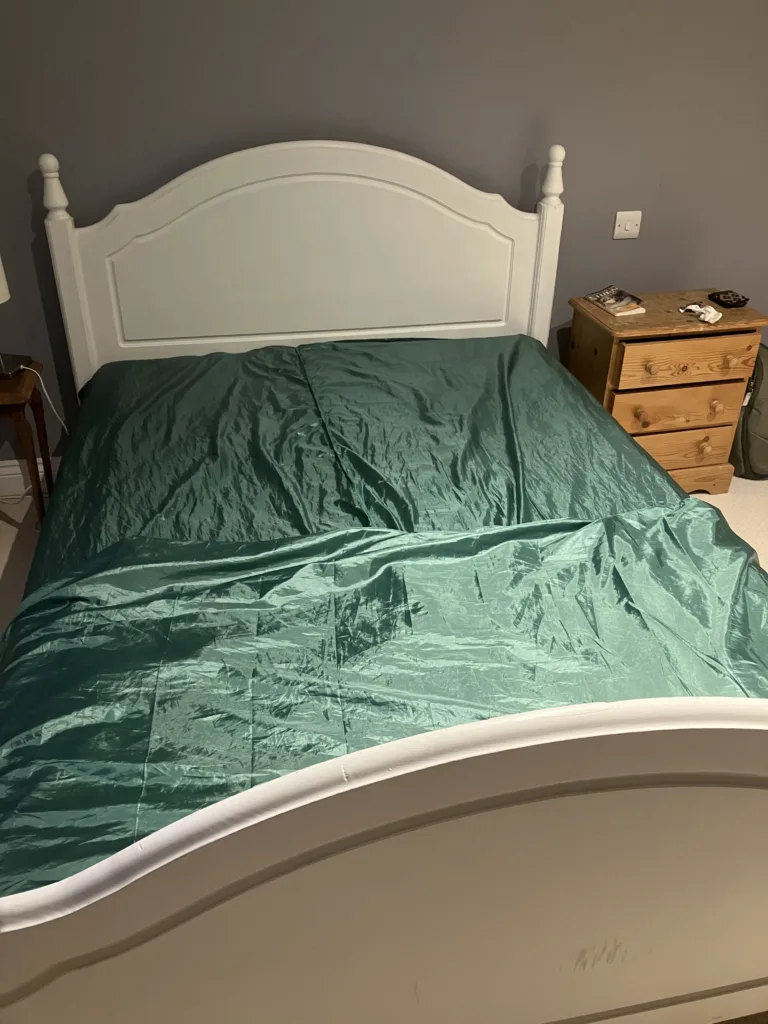
If you’re wondering why we purchased satin rather than silk, it’s much cheaper. Silk is expensive, and since we’re just using the Silkrafox sheets as bottom sheets, the only requirement is that they’re lightweight and packable.
Down blanket (sleeping bag material)
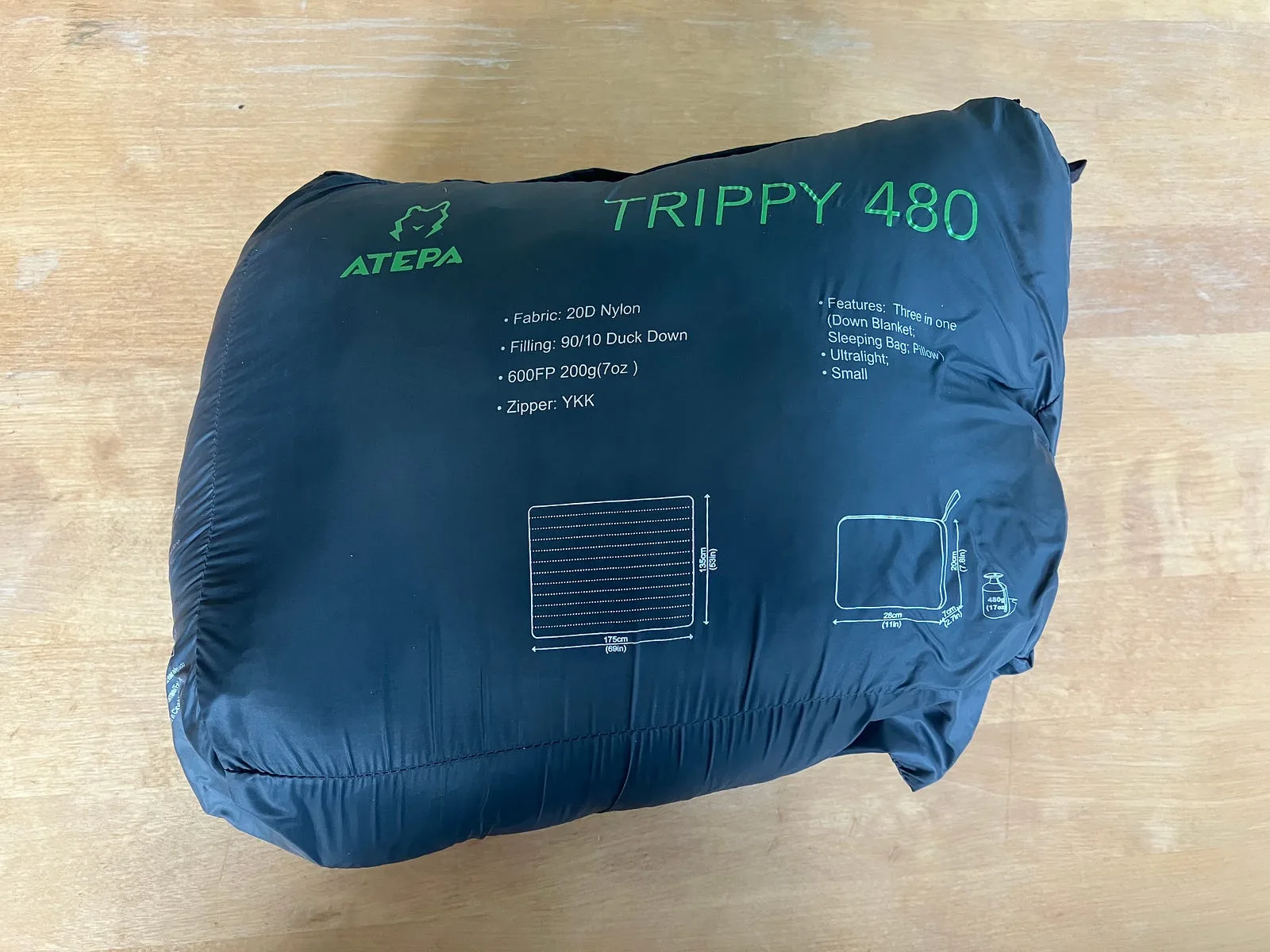
Another game-changer! Originally, I was looking for a rectangular sleeping bag that could be unzipped all the way and turned into a day blanket as well. Everything was either too large, bulky, or made out of plastic-ish material. Then I found this day blanket/camping blanket option. It has snaps so you can turn it into a sleeping bag, but it’s much smaller and lighter than a full sleeping bag.
Here are the specs for my Atepa blanket:
· 70 x 53 inches
· 1.1 pounds
· 11 x 7.9 x 2.8 inches when compressed
· Blanket with snaps rather than a zipper
I get into my silk sleepsack, then put this over me, and I have a soft, breathable, warm, and clean alternative to the bed that’s been provided.
And it shrinks up into a completely packable item.
My partner has a real compact sleeping bag (his is Sea to Summit, but you can probably find a cheaper version if you’re in the US). It still takes more space than mine, so be advised if that’s a major consideration for you.
Whichever option you choose, make sure it’s rectangular (not a mummy bag) and fully unzipable or unsnapable, so it’s useful as a blanket on warmer days.
Note: I love weighted blankets, but they’re too heavy for our nomadic lifestyle. If it’s cold, I’ll lay the hotel blanket on top of my sleeping bag.
My partner has also traveled with a hammock he’s used in an airbnb before. It’s obviously harder to use this in a hotel room, but it’s a perfect solution to the “ick” factor (it takes space as well but is still compact enough to pack).
Silk pillowcase + down jacket
Ah, pillows. Every country has its own type, so even if it’s clean and well-made, it can still hurt your neck because you’re not used to it.
For a long time, I’d either (a) sleep without a pillow at all or (b) fold up my puffy down jacket into a pillow. Sleeping without a pillow is okay but not ideal since I easily wrench my neck. As for the jacket-pillow, that’s definitely more comfortable, but the material tended to stick to my face and also unfolded during the night from the perfect ball I’d made before going to bed.
Buying and packing a pillow seemed out of reach because of the space it would take in our bags, so we muddled along like this for years.
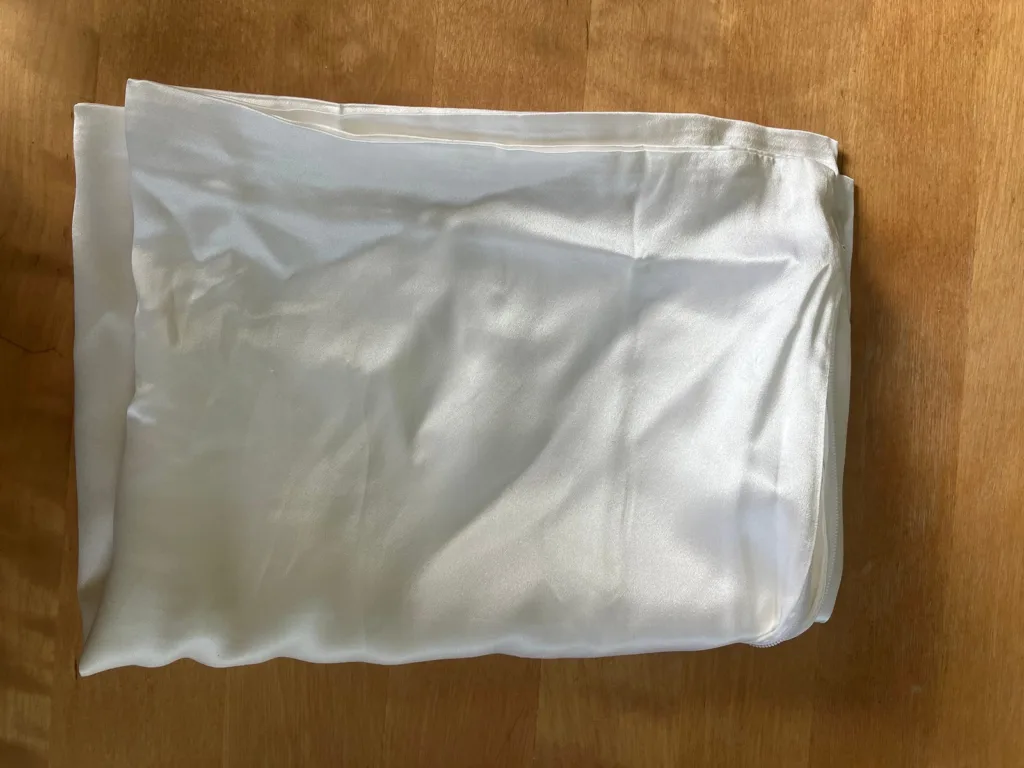
Then my partner had the brilliant idea of buying an empty pillowcase, and a silk one at that!
We bought this silk travel version (listed as a “toddler” version on some sites). My partner tried a full-size one, but it was difficult to fill it without everything sliding around. So he switched to the smaller one and is happy with it.
How do you transform a pillowcase into a pillow?
We stuff the pillowcase with our down jackets! It works so well. I’m so happy with this option because I now have a pillow wherever I go.
2. Bring Your Own Bottle (and Dishes)
Food & Beverages: Same ick-factor as above, though it’s usually easier to deal with than bedding. Here’s my kitchen kit for camping:
Silicone foldup bowl
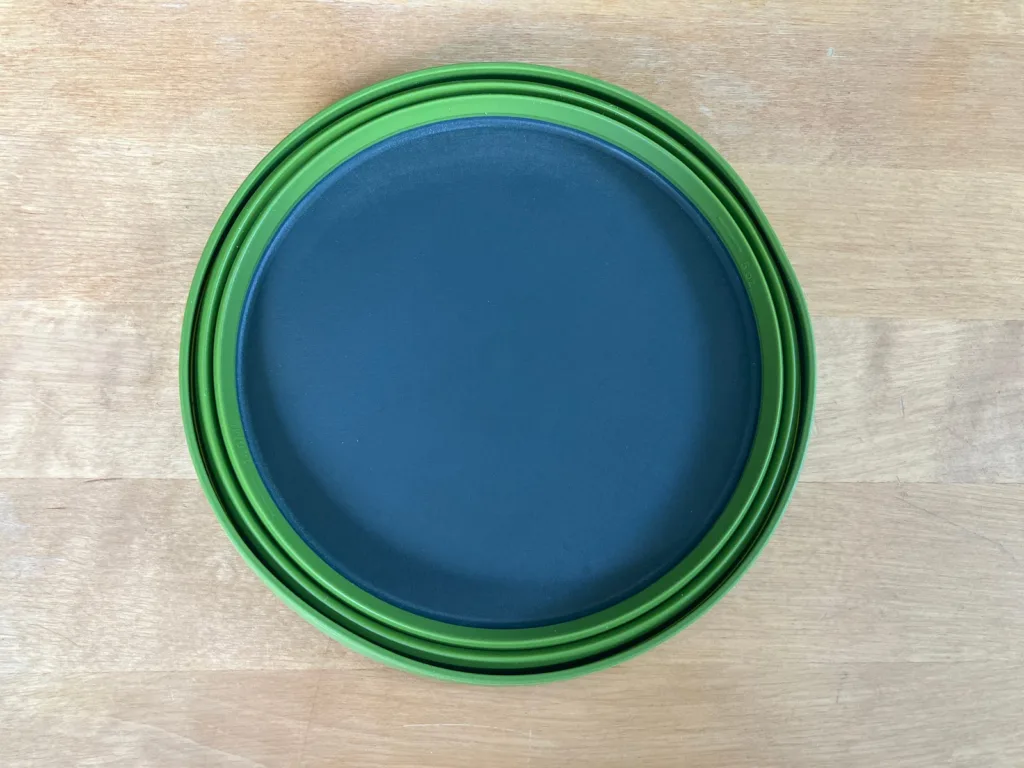
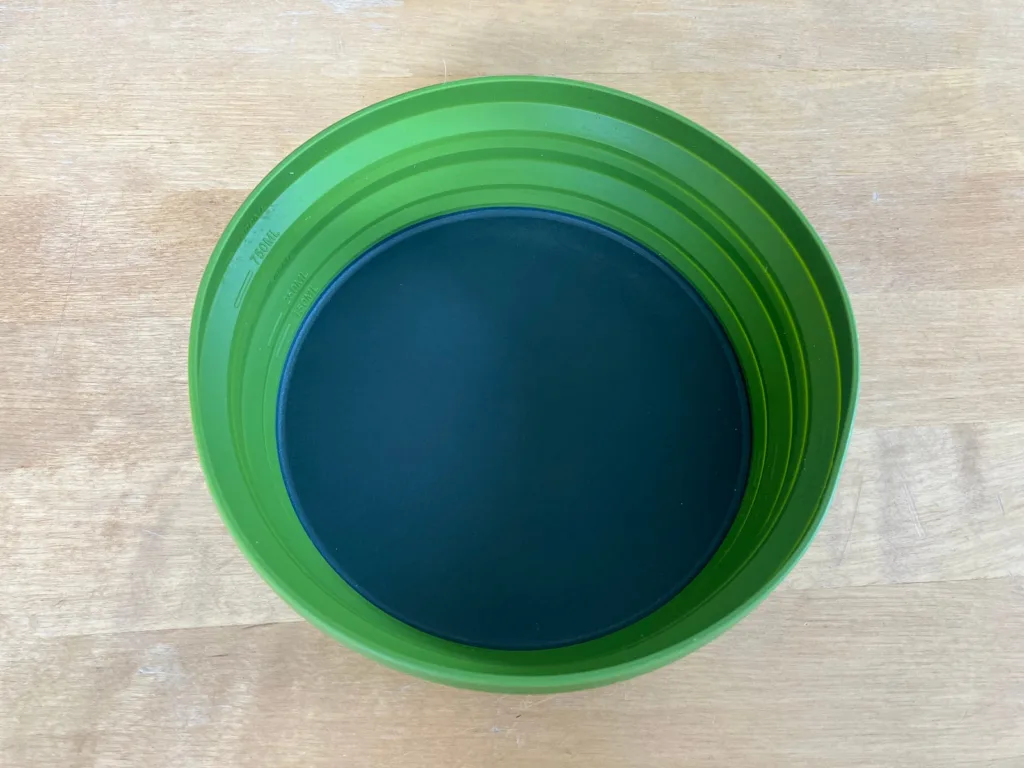
My partner has had this Sea to Summit foldup bowl for a while, so I’m a recent convert. Not only is it a bowl, but it also is a plate and a cutting board when you fold up the accordion silicone. Easy to pack, multi-functional, dishwasher-safe, and lightweight. Perfect.
Tiny spoon
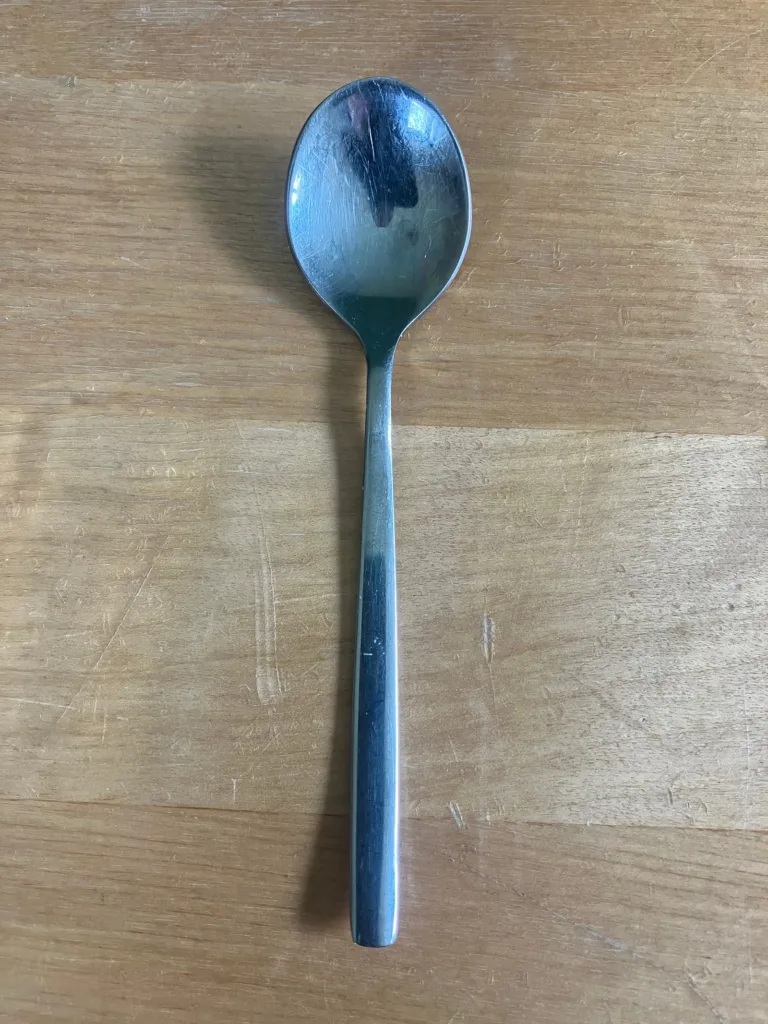
I’ve carried tiny Turkish teaspoons for years. I try to find ones that are sharp enough that they double as butterknives. If you need to cut things with a sharper knife but want to avoid carrying an actual knife for airplane carry-on reasons, my partner recently bought a hard plastic camping butterknife that is surprisingly sharp.
But a tiny spoon is all I need for yogurt, beverages, or cutting an avocado.
Small thermos with a cup
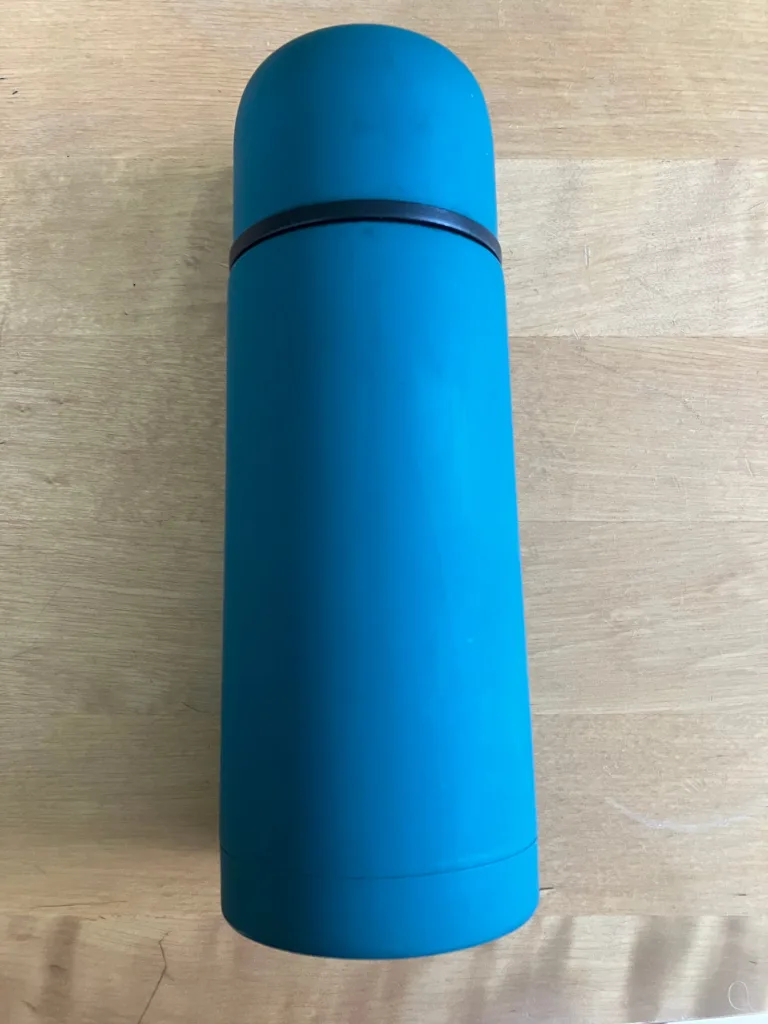
Beverage containers require a lot of trial and error to find something that is leakproof, the right size, and lightweight. I had a great thermos for a while, but it lacked the screw-on cup that my current one has.
I love this 350-ml version because I can use the cup as a tiny bowl and am free to avoid using hotel dishware. A larger thermos is harder to squeeze into the side-pocket of my backpack, so a 350-ml version is just right.
Coil immersion heater for hot water
My heated beverage game is still a work in progress.
For a while, I also had a thermos that was a hot water heater. I loved it, but airplane security always thought it was a bomb, and it also took up too much space. But it’s a great option if you’re not flying or have more space available in your bag.
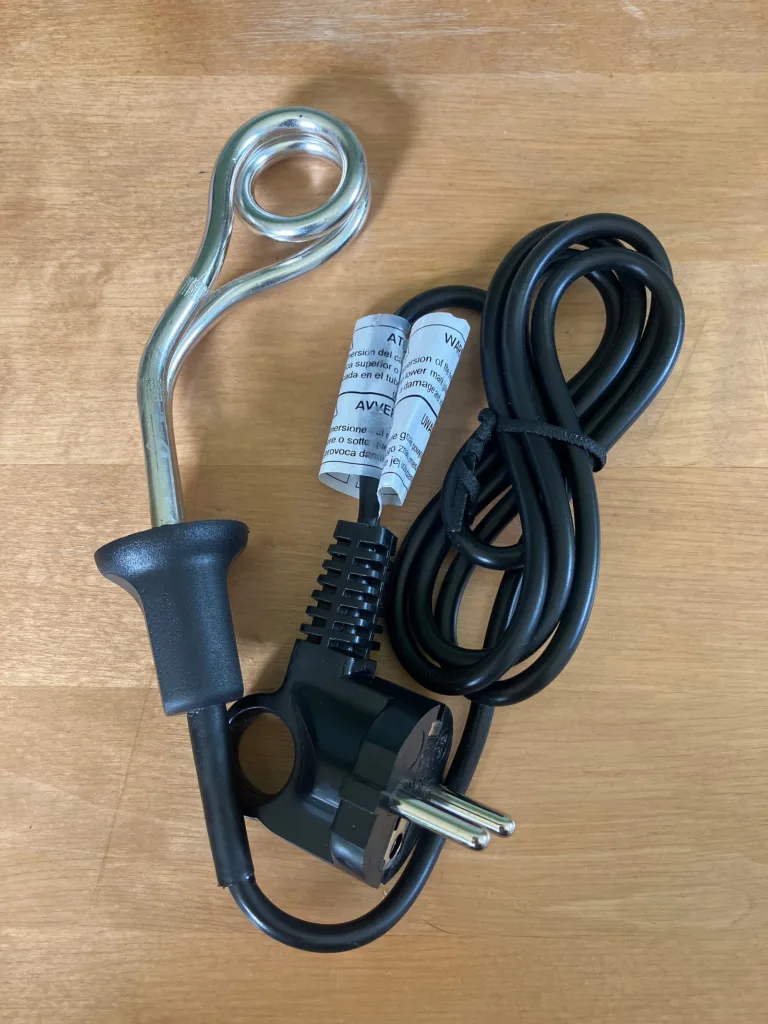
So I returned to an old standby: the coil system. While I love the portability of this option, it requires digging around in my bag, finding a suitable cup to use, and then getting the water level just right so the coil doesn’t overheat. I rarely use it, but it’s there, just in case. If you have other ideas, let me know!
Tea, instant coffee, dry soup, etc.
Your mileage will vary in this category, but having these items to complete your camping experience is helpful. I also recommend having a few of those extended-life creamers if you need milk for your coffee or tea.
3. A Few More Considerations
Toiletries
I’ll keep this brief since I’ll make myself ill by writing about various bathroom scenarios. Let’s get to the solution, shall we?
My basic approach here is to keep pretty much everything out of the bathroom. I don’t carry a towel, mostly because it’s one of the few things I’m not bothered by. If you are, there are plenty of excellent options to buy.
As for my toothbrush, I keep it in a container I’ve used and washed (e.g., from yogurt), or I keep it sticking out of my toiletry bag to dry. Then I bring it into the bathroom when I’m brushing my teeth. I’ll also often use one of the hotel’s washcloths to drape over a desk or some other flat surface in the main room — then I put my toiletries and other items on it. That usually calms my mind about any perceived cleanliness issues.
I’m sure it goes without saying that hand sanitizer is useful to wipe down surfaces if you’re staying a while!
Tiny fan
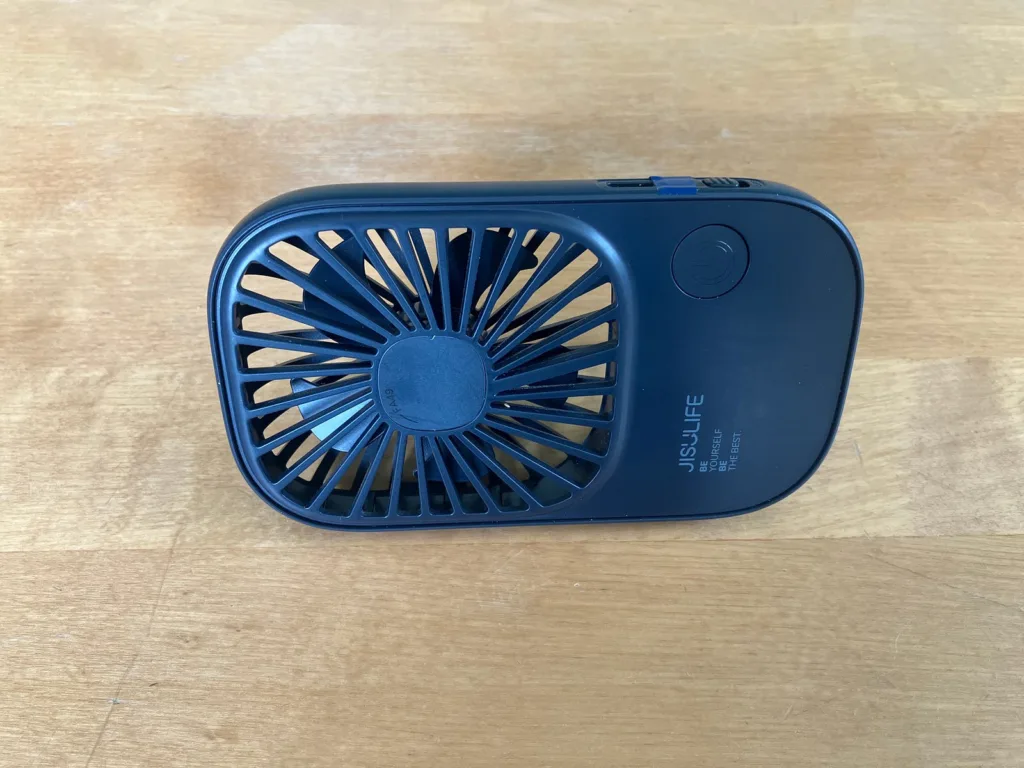
If you have breathing or heat-regulation issues, buying a small usb fan is a great solution. I’ve been through two tiny USB fan options that were either too large, too noisy, or had these lights that flashed all night (note: the version above has a light that flashes when charging, but not when it’s fully charged). I found the perfect one now that is small, flat, and has just enough noise to create a bit of white noise if I’m dealing with a snoring dog that we’re housesitting.
It’s also perfect because it is directed just at me, unlike a larger fan that can trouble your sleeping partner (as it does mine).
Earplugs
I’ve written about managing sound in another article. My absolute favorite are QuietOn (use quietontraveler for 10% savings), but the main point is that you have something with you for the inevitable random noises that filter through hotels at night.
Sandals, slippers, or flip-flops
I also have a pair of slide-on sandals that double as slippers in a hotel room. They’re flat and .
You’re Ready
So that’s it! Beyond the fact that this approach works well for me in a mental health sense, it’s actually quite fun because you are completely self-sufficient in a hotel room. When I arrive, I set up my kit and feel a sense of peace washing over me.
Nomad life is too satisfying for me to let these issues defeat me. Besides, I enjoy the challenge of finding another way.
If this article resonated with you, know you’re not alone and that it’s okay to find workarounds that give you a sense of peace and calm. Do what works for you. That’s what being a nomad means, anyway, doesn’t it?
Happy camping!